Panasonic Lumix Tz300 Honest Review — Is the Hype Justified?
I've been using the Panasonic Lumix Tz300 (also sold in some regions as the ZS200) for several months now, carrying it on weekend trips, city walks, and an extended two-week vacation. I bought it because I wanted a genuinely pocketable camera that would give me a real upgrade over my phone for travel and everyday shooting without forcing me to carry a mirrorless kit. After that time with it, here's my honest, hands-on take: what I loved, what annoyed me, and whether the hype around this camera actually holds up in everyday use.
Why I chose the TZ300
I wanted three things: a sensor bigger than a phone (and bigger than most compacts), a long zoom in a small body, and a viewfinder I could use in bright sun. The TZ300 promised a 1-inch sensor and a Leica-branded 15x zoom in a genuinely pocketable package, plus an electronic viewfinder and RAW support—features that, on paper, sounded like the right compromise. In practice, it delivered on most of that promise, but there are trade-offs I didn't expect until I lived with it.
Build, handling, and controls
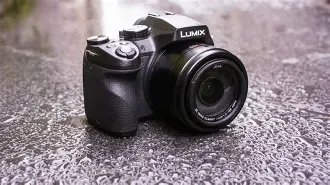
Out of the box, the TZ300 feels like a serious little camera. The body is compact and mostly metal; it slips into a jacket pocket easily but is still substantial enough to feel good in my hand. I appreciated the lens-barrel control ring that can be mapped to aperture, shutter, or manual focus—it's one of those tactile features you notice and then start to miss on other cameras. The grip is small, so if you have large hands you'll want to keep a finger tucked under the front or use a wrist strap to avoid slips.
The EVF is a highlight for me. It's not as large as the eye-level finders on larger mirrorless cameras, but it's bright and sharp enough to compose in harsh daylight where the rear screen becomes unusable. The rear touchscreen is responsive and supports touch-to-focus and quick playback, which I used a lot when checking shots on the go.
Menus are Panasonic-standard: comprehensive but layered. It took a few outings to memorize where my favorite settings lived. Once learned, the more advanced controls (manual exposure modes, RAW capture, and customizable function buttons) made the camera feel like a small but capable creative tool rather than just a point-and-shoot.
Image quality and performance
The 1-inch sensor is a real differentiator versus typical pocket zooms and smartphones. In daylight and well-lit interiors I consistently got detailed, pleasing images with good color rendition straight out of the camera. The Leica lens is sharp in the center at most focal lengths, and I noticed the lens held contrast and detail better than any compact I previously owned.
Discover deals on Cameras & Photography — updated daily.
View Offers →What I found was that the camera really shines when you use it within its strengths: landscapes, street scenes, portraits in natural light, and long-range subjects where the 15x zoom comes into play. The zoom reach—useful for compressing scenes and isolating subjects—made shots possible that would have required a bulky telephoto lens on a mirrorless setup.
Low-light performance is where the trade-offs become obvious. The 1-inch sensor is not a full-frame sensor, and at high ISOs noise becomes apparent sooner than on larger-sensor systems. I was able to rescue some evening shots using RAW and noise reduction in post, but I noticed a loss of fine detail and color fidelity above ISO 1600. That said, the in-lens optical image stabilization does a great job for handheld low-shutter-speed work at wider focal lengths.
Autofocus is generally reliable in good light. In dimmer conditions the AF hunts more than I’d like, and continuous AF for fast-moving subjects is not the TZ300…
Video
I recorded a handful of 4K clips with the TZ300 during my trip. The camera captures clean, detailed 4K footage in daylight and delivers usable results for quick travel clips. However, there are limitations: there’s no advanced log profile for extensive color grading, and the mic input is absent, so audio capture is tied to the built-in mic (which is fine for ambient sound and quick clips but not for interviews or professional audio). If video is a top priority, you can get good-looking results for casual use, but expect to hit walls if you need pro-level audio or heavy color grading.
Battery life and portability
I typically got around 250–300 images per battery on a mix of shooting styles (EVF use, some 4K clips, and Wi‑Fi on intermittently). On long travel days I carried a spare battery, which I recommend if you plan to shoot heavily. The camera’s compact size is its biggest asset—bringing it out felt effortless, and I shot far more than I would have with a heavier setup.
Real-world examples I shot with the TZ300
- I used it for a rainy city walk: the EVF and zoom let me grab tight street portraits without getting too close; color and detail were excellent under soft, diffused light.
- At a seaside sunset, I pushed the camera to capture contrasty skies. RAW files handled recovery of shadows well, though I did spot some noise when I pushed exposure in post.
- On a nature walk, I appreciated the zoom for small wildlife and distant details—shots I would never have gotten with my phone alone.
Pros & Cons
Pros
- Large 1-inch sensor for a compact: noticeably better dynamic range and detail than typical small-sensor compacts and phones.
- Big zoom in a small package: 15x range gives great framing flexibility for travel and telephoto shots without extra lenses.
- Built-in EVF: reliable for composing in bright conditions where the rear screen washes out.
- RAW support and manual controls: gives creative flexibility and stronger results when you edit.
- Good image stabilization: helps with handheld low-light and long-zoom shots.
Cons
- Low-light limits: high ISO performance lags behind larger-sensor mirrorless options; noise becomes obvious above ISO 1600 in my tests.
- AF and continuous tracking: not ideal for fast action or sports—AF can hunt in dim light.
- Limited video ergonomics: no mic jack and no advanced picture profiles for heavy grading.
- Small grip: can be awkward for extended handheld shooting if you have large hands.
- No weather sealing: I was careful in rain and dusty environments—this is a travel camera, but it isn’t designed for rough conditions.
How it stacks up (comparison)
| Panasonic Lumix Tz300 | Sony RX100 (typical) | High-end Smartphone | |
|---|---|---|---|
| Sensor | 1-inch, ~20MP — better than phone compact | 1-inch, similar or slightly higher MP in later models | Small sensor (but multi-lens computational) |
| Optical Zoom | 15x zoom (wide to long reach) | Typically 2.7–3.6x optical (varies by RX100 model) | Little to none optical; relies on digital or periscope in some models |
| Viewfinder | Built-in EVF | Some RX100 models have pop-up EVF | None |
| RAW support | Yes | Yes | Limited or via apps |
| Video | 4K capable, casual use | 4K capable; newer RX100s have strong video features | 4K capable; often better stabilization and computational aids |
| Pocketability | Very pocketable for a zoom camera | Extremely pocketable (slightly smaller footprint) | Always with you |
Buying guide — is the TZ300 right for you?
After using this camera for months, I can say the TZ300 suits a specific kind of shooter very well. Consider the following points when deciding:
Shop the latest Cameras & Photography picks on Amazon.
See Deals →Who should buy it
- You travel a lot and want one camera that covers scenic landscapes and distant details without hauling lenses.
- You want better image quality than a phone and prefer a physical zoom over digital cropping.
- You value a built-in viewfinder for shooting in bright light and like having manual controls that are easy to reach.
- You want a camera that’s easy to carry all day—pocketable yet capable.
Who should not buy it
- If you shoot a lot in low light or need excellent high-ISO performance (weddings, dim interiors), a mirrorless camera with a larger sensor will outperform it.
- If you need top-tier continuous autofocus for sports or wildlife, look toward cameras built for action.
- If professional video (external audio, log profiles, long recording times) is essential, there are better dedicated options.
What to check when buying (new or used)
- Check the lens and zoom mechanics for smoothness—stiff or gritty zooms may indicate wear.
- Confirm EVF and touchscreen functionality; these are key to the camera’s usability.
- If buying used, ask for battery cycle information and whether the shutter/controls show lag or missed frames.
- Bring a memory card and test shooting in both daylight and low light if you can.
Recommended accessories
- At least one spare battery for full travel days.
- A small soft case or padded pouch to protect it in a bag.
- A compact tabletop tripod for low-light and long-exposure shots.
- A cleaning kit for the lens; the small front element shows fingerprints easily when you’re shooting on the go.
Final thoughts — is the hype justified?
TL;DR: In my experience, the hype around the Panasonic Lumix Tz300 is largely justified, but with context. The camera delivers a remarkable balance: a 1-inch sensor, genuine 15x zoom, an EVF, and RAW capture in a pocketable body. For travel photography, street shooting, and situations where you want more control and better image quality than your phone without carrying a full system, the TZ300 is a winner.
What I appreciated the most was how often I reached for it instead of my phone. The optical zoom alone opened doors to compositions I wouldn’t have attempted otherwise, and the EVF made framing in bright sun straightforward. The image quality in daytime and controlled lighting is genuinely excellent for a compact.
What I found frustrating at times were the compromises inherent to its size: limited low-light headroom, AF that can struggle in dim conditions, and basic video ergonomics. Those are not deal-breakers for casual and enthusiast photographers, but they matter if your work regularly demands high-ISO reliability or fast action tracking.
After months of use, I would recommend the TZ300 to travelers, everyday shooters, and anyone who wants a single, pocketable camera that does a lot of things well. If your needs skew toward professional low-light work, action sports, or advanced video production, pair it with a larger sensor camera or look elsewhere. For what it aims to be, the TZ300 delivers a satisfying mix of flexibility, quality, and portability—and for me, that made it a camera I kept in my pocket far more often than not.