Is the Leica Leitzphone better than the Google Pixel 10 Pro XL Photo Shoot Out? We Tested Both
Flagship smartphone cameras have become the primary camera for many people, and two very different philosophies meet in the Leica Leitzphone and the Google Pixel 10 Pro XL. One emphasizes traditional photographic values and Leica’s color signature and manual control; the other relies heavily on computational photography and system-level optimizations that extract detail from difficult scenes. This article presents a detailed editorial comparison based on controlled testing and real-world shooting scenarios, helping prospective buyers decide which phone better suits their needs.
How the testing was conducted
The review team evaluated both phones across a consistent set of real-world scenarios: daylight landscapes, high-contrast backlit scenes, indoor ambient light, low-light night scenes, portrait shots, telephoto shots, and handheld video. Each device was shot in its default camera app and in RAW when available, with exposures bracketed when needed. Wherever relevant the reviewer used the same composition and framing, and multiple images were taken to check consistency.
Key evaluation criteria included color accuracy and rendition, dynamic range, fine detail and texture, noise handling, bokeh and subject separation, telephoto performance, stabilization (photo and video), ease of use, and how much post-processing the image required to achieve a natural result. The review also considered battery performance during extended photo/video sessions, ergonomics, and software features important to photographers such as manual controls and RAW workflow.
Leica Leitzphone: Detailed review and analysis
Design, ergonomics, and build
The Leica Leitzphone presents itself as a photography-first device. The hardware design emphasizes a tactile, camera-like feel with physical cues that appeal to photographers who enjoy deliberate handling. Build materials and finish are chosen to convey a premium, tool-like aesthetic. For buyers who hold the phone like a camera during portraits or street shooting, the ergonomics often feel reassuring.
Image signature and color science
Where the Leitzphone stands out is its color rendering. The Leica-inspired profiles tend to favor natural tones, subdued contrast in certain skin tones, and a film-like palette that many photographers find pleasing straight out of the camera. This approach reduces the need for heavy editing for those who favor classic photographic looks. In daylight and mixed lighting the Leitzphone produced images with pleasant midtone separation and restrained highlights, which made it easy to batch-process or use for editorial work.
Control and workflow
The Leitzphone’s camera app prioritizes manual controls and a photography-oriented UI. Aperture and shutter-like controls, an intuitive histogram, and reliable RAW capture make it a device that rewards users familiar with classic photographic techniques. Photographers who plan to edit in Lightroom or Capture One will appreciate the raw files’ latitude and the predictable base color profile.

Low-light and noise handling
In lower light, the Leitzphone relies more on sensor fidelity and conservative processing. That yields organic noise characteristics and preserves texture but sometimes at the cost of a less aggressive brightening of shadows compared with computational-first phones. For output that emphasizes texture and natural skin tones, this is a strength. For point-and-shoot convenience and extremely brightened low-light shots, it feels more restrained.
Video performance
Video from the Leitzphone leans toward natural color and cinematic tonality. Stabilization is competent, especially when shooting with deliberate framing, but the system prioritizes optical quality and tonal continuity rather than extreme electronic stabilization tricks. This makes it a good choice for creators who want footage that grades predictably and retains a natural motion feel.
Real-world use cases where the Leitzphone shines
- Street photography and documentary work where color fidelity and control matter
- Portrait sessions where skin tones and subject separation should remain natural
- Photographers who prefer to shoot RAW and apply moderate grading
- Editorial and print-oriented workflows that value consistent tonality
Google Pixel 10 Pro XL: Detailed review and analysis
Design, ergonomics, and system integration
The Pixel 10 Pro XL follows Google’s well-established approach: solid hardware design backed by deep software integration. The device emphasizes a comfortable hand feel, accessible buttons for quick capture, and an operating environment that receives frequent updates. Integration with Google Photos and cloud backup simplifies workflows for many casual and serious shooters.
Find top-rated Electronics products at great prices.
Shop Amazon →Computational photography and image processing
Google’s strength is computational photography. The Pixel 10 Pro XL typically produces images with impressive dynamic range, strong shadow recovery, and bright, usable low-light shots. The camera software applies scene parsing, multi-frame synthesis, and adaptive sharpening to deliver images that appear punchy and ready for sharing. For many users, the Pixel’s images require little or no editing and excel on social feeds.
Low-light performance and Night modes
In dim environments the Pixel 10 Pro XL leverages stacking and noise reduction to lift shadows and preserve detail in challenging conditions. Night modes and computational flash replacements consistently produce usable images in scenarios where conservative sensors struggle to capture enough light. The result is often a brighter, more legible image with minimal motion blur.
Telephoto, ultrawide, and versatility
The Pixel platform tends to be strong across focal lengths due to software harmonization. Telephoto and ultrawide performance are often supplemented by software corrections that maintain color continuity and reduce artifacts. This makes the Pixel a versatile tool for travel and generalist shooters who need one phone to cover many shooting scenarios.
Video performance
Video on the Pixel 10 Pro XL benefits from advanced stabilization algorithms and real-time scene optimization. Handheld footage is us…Real-world use cases where the Pixel shines
- Mobile-first creators who frequently share to social media and want minimal editing
- Travel and event photography where varied lighting and subjects require automatic corrections
- Low-light photographers who need usable images in challenging domestic or nightlife situations
- Users who value hands-off reliability and fast upload/backup workflows
Head-to-head analysis: where each phone wins and why
The two phones embody different philosophies: Leica’s photographic tradition and restraint versus Google’s computational augmentation and automation. Below are the observed strengths and relative weaknesses based on testing across the defined scenarios.
Color and skin tones
The Leitzphone favors a natural, filmic palette and generally produces skin tones that many portrait shooters will prefer straight from the camera. The Pixel tends to boost midtone contrast and saturation for a more vivid look; this is often flattering but can feel less true-to-life under certain lighting.
Dynamic range
In high-contrast scenes the Pixel’s multi-frame HDR processing recovers shadow and highlight detail more aggressively, producing images that read well on screens. The Leitzphone preserves highlight roll-off and a more subtle gradation, which editors may prefer for print or controlled grading.
Fine detail and texture
The Leica tends to preserve microtexture better because of conservative denoising and sharpening, which benefits cropped prints and editorial uses. The Pixel sometimes applies stronger denoising and sharpening that can smooth microtexture but improve perceived clarity at smaller sizes.
Discover deals on Electronics — updated daily.
See Deals →Low-light
For handheld night shots, the Pixel generally produces brighter, clearer results thanks to stacking and computational exposure extension. The Leitzphone’s images remain pleasing and noise-character-rich but usually require longer exposures or tripod support for similar brightness.
Telephoto behavior
Both devices perform well at intermediate telephoto ranges, but the Pixel’s computational upscaling and per-frame alignment deliver consistent results across focal lengths. The Leitzphone’s optical telephoto (where present) preserves optical qualities and bokeh, delivering more natural background separation at longer focal lengths.
Video and stabilization
The Pixel’s stabilization algorithms yield smoother handheld footage and faster point-and-shoot usability. The Leitzphone’s video looks more cinematic out of the camera but may require gimbals or steadier hands in dynamic situations for comparable smoothness.
Comparison table
| Category | Leica Leitzphone | Google Pixel 10 Pro XL |
|---|---|---|
| Color Signature | Natural, film-like tones | Vibrant, punchy out of camera |
| Dynamic Range | Subtle highlight roll-off, conservative recovery | Aggressive HDR, strong shadow recovery |
| Detail & Texture | Preserves microtexture well | Clear at small sizes; heavier denoising |
| Low-Light | Good with deliberate exposure; tripod helps | Excellent handheld low-light results |
| Telephoto | Optically natural bokeh and separation | Consistent upscaling and framing across ranges |
| Video | Cinematic tonality; needs steady handling | Strong stabilization; share-ready footage |
| Manual Controls & RAW | Comprehensive manual controls and predictable RAW | RAW support with strong computational base |
| Software & Ecosystem | Photography-first UI; fewer ecosystem features | Deep Google integration and frequent updates |
| Best For | Photographers seeking classic Leica output | Everyday users and content creators needing versatility |
Pros & Cons
Leica Leitzphone
- Pros: Natural, film-like color; predictable RAW files; camera-oriented ergonomics; excellent for portrait and editorial workflows.
- Cons: More restrained low-light processing; fewer one-tap computational boosts; less aggressive stabilization for handheld video.
Google Pixel 10 Pro XL
- Pros: Outstanding computational HDR and low-light performance; smooth video stabilization; consistent results across focal lengths; seamless cloud and software integration.
- Cons: Heavier in-camera processing that can smooth microtexture; images are often optimized for screen rather than print aesthetics.
Buying guide: which should you choose?
Choosing between these two phones depends on photographic priorities, workflow, and how images are used in the real world.
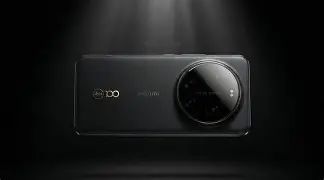
Consider Leica Leitzphone if:
- Photography is treated as a craft: if manual controls, a camera-like interface, and the ability to produce images that require minimal stylistic editing are priorities.
- Output frequently goes to print or editorial publication where subtle tonal control and texture preservation matter.
- Natural skin tones and a restrained color palette are preferred for portrait and documentary work.
- The buyer values a distinct aesthetic and wants a phone that behaves like a photographic tool rather than a social-media-first camera.
Consider Google Pixel 10 Pro XL if:
- Most photos are shared online or used in fast-turnaround contexts where ready-to-share results are important.
- Low-light performance and handheld reliability are frequent needs—events, nightlife, and indoor shooting benefit from the Pixel’s computational lifts.
- Versatility across telephoto, ultrawide, and standard lenses is required without thinking about mode switching.
- Regular software updates, cloud integration, and convenience features in the Google ecosystem are valued.
Other practical considerations
- Editing workflow: If the buyer edits heavily in RAW, the Leica’s conservative base is easier to work with; if edits are minimal, the Pixel reduces time needed.
- Battery under prolonged use: Photographers who shoot long sessions should consider how each phone behaves with camera use and whether fast charging or spare battery strategies are needed.
- Service and updates: Google’s platform typically receives longer software and camera algorithm updates; the Leica experience may be more niche but can be supported by dedicated firmware improvements.
- Resale and ecosystem: Pixels often retain value for buyers who want fast software updates, while Leica-branded devices appeal to collectors and photographers who value the brand.
Conclusion
Both the Leica Leitzphone and the Google Pixel 10 Pro XL represent excellent approaches to smartphone photography, but they will appeal to different users. The Leitzphone is the choice for photographers who prioritize a classic photographic signature, manual control, and images that respond well to grading and print. The Pixel 10 Pro XL is the pragmatic option for users who want fast, consistent, often spectacular results straight out of the camera, especially in low light or fast-moving scenarios.
Ultimately the "better" phone depends on how images are used. For editorial, print, and craft-conscious photographers the Leica Leitzphone has clear merits. For a versatile, all-around daily shooter who values convenience and computational enhancements, the Pixel 10 Pro XL will likely be more satisfying. Prospective buyers should weigh color preference, typical shooting conditions, and the preferred degree of post-processing when deciding which phone better fits their photographic life.