Head-to-Head: Ricoh Gr Iv vs Antigravity A1 (Detailed Comparison)
Introduction
Compact, capable cameras remain a favorite choice for photographers who value portability without sacrificing image quality. Two models that have drawn attention in recent discussions are the Ricoh GR IV and the Antigravity A1. Both are presented as pocket-friendly solutions, but they take different approaches to the balance between stills performance, video capability, handling, and user experience.
This comparison breaks down how each camera performs in real-world use, what buyers typically care about, and which type of photographer each camera suits best. The goal is to provide an objective, practical guide for readers deciding between a purpose-built, street-oriented compact and a feature-packed, creator-focused alternative.
Product overviews
Ricoh GR IV — What it is and who it’s for
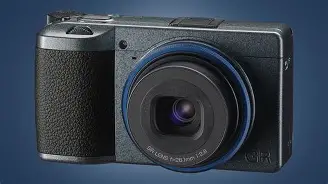
The Ricoh GR series has long been synonymous with discreet street photography: a small body, a high-quality fixed wide-angle prime lens, and fast handling that lets photographers capture decisive moments. The GR IV builds on that lineage, emphasizing speed, compactness, and image character. It is typically chosen by photographers who prioritize stills—especially street, documentary, and travel work—and who appreciate simple, tactile controls and excellent JPEG processing straight out of camera.
Antigravity A1 — What it is and who it’s for
The Antigravity A1 positions itself as a modern hybrid compact aimed at creators who want a single device to handle photos, video, and social-ready content. It leans into features such as in-body stabilization, extended video modes, live-stream-friendly connectivity, and a design that favors handheld shooting and vlogging. Buyers interested in multimedia, run-and-gun production, or a compact backup to a larger kit will likely find the A1 attractive.
Detailed product review and analysis
Design and ergonomics
Ricoh GR IV retains the GR line’s minimalist, flat-profile design. Its compact footprint makes it easy to tuck into a jacket pocket or small bag. Controls are concentrated on a small top plate and a simple rear cluster, allowing one-handed operation for many tasks. The physical shutter button, exposure compensation dial (when present), and quick-access menus are tailored for photographers who want to keep their attention on framing.
The Antigravity A1 tends to be a bit larger and thicker, reflecting its additional modules—such as a flip screen, more extensive ports, or physical stabilization hardware. The A1’s grip and handhold are designed for comfortable video shooting and longer hand-held sessions. Where the GR IV trades a little comfort for ultimate compactness, the A1 trades some pocketability for better ergonomics during extended use.
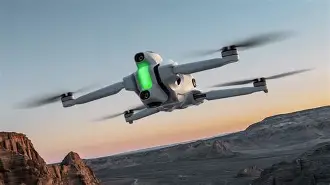
Image quality and sensor behavior
Image quality is often the decisive factor. The Ricoh GR IV follows the GR philosophy of maximizing stills image fidelity from a compact form factor. It emphasizes sharpness at the lens’ chosen focal length, clean JPEG processing, and usable dynamic range for everyday shooting scenarios. Photographers who rely on fast, discreet captures—street, reportage, travel—will appreciate the GR’s ability to render scenes with clarity and minimal fuss.
The Antigravity A1’s image pipeline is designed to be versatile. In practice, that means it aims to balance stills quality with video requirements: good color science, strong noise control at higher ISOs, and processing tuned to produce pleasing footage for social platforms. The A1’s strengths show up when a buyer needs one camera to serve both photo and video workflows, although a slight compromise versus a purpose-built stills machine is possible depending on the settings and shooting conditions.
Lens and focal length approach
Ricoh’s GR series typically features a fixed wide-angle prime—ideal for environmental portraits, street scenes, and tight interiors. The fixed lens encourages framing discipline and produces excellent edge-to-edge sharpness. For photographers who appreciate a single-field-of-view workflow and the creative focus it brings, the GR's prime lens is a major benefit.
The Antigravity A1 usually offers a more flexible lens approach—either a small zoom or a wider focal range within the body design—aimed at creators who switch between framing styles quickly. This flexibility helps when moving from tight interviews to wider room coverage or when recording run-and-gun video where changing lenses is impractical.
Autofocus and shooting speed
Ricoh’s prioritization of fast, predictable autofocus for stills means the GR IV is often responsive for street work: quick single-shot acquisition, good subject tracking for everyday scenes, and reliable low-light performance for stills. It may not focus as aggressively for complex cinematic video scenarios where continuous AF and face/eye detection are heavily relied upon, but it is tuned for decisive photography.
Antigravity’s A1 emphasizes hybrid AF performance—continuous tracking, subject recognition, and video-friendly AF modes. If a buyer plans to capture moving subjects for video or wants autofocus to continually track a subject while walking and talking, the A1 typically delivers a smoother experience.
Looking for the best Cameras & Photography deals on Amazon?
Browse Now →Video capability
Video is not the primary strength of the GR line historically, and the GR IV reflects that legacy: it provides capable video for incidental clips and social media, but its core design remains focused on still images. The GR IV will satisfy photographers who record short sequences or B-roll but don’t depend on advanced video features.
The Antigravity A1 is built with creators in mind and therefore offers a more comprehensive video toolset: higher frame-rate options, in-body stabilization (or robust digital stabilization), microphone and headphone connectivity, and perhaps profiles suited for color grading. For vloggers, social video producers, and hybrid shooters, the A1 is the more video-forward choice.
Battery life and storage
Small, pocketable cameras often have trade-offs in battery capacity. The Ricoh GR IV’s battery life is typically optimized for stills sessions; photographers who plan to shoot heavily throughout a day will want spare batteries. Storage is straightforward—support for fast SD cards to handle continuous shooting and file sizes.
The Antigravity A1 might have a larger battery or better power management to support extended video recording and active stabilization. Video-centric users should still be mindful of battery drain during long takes and should plan for external power or spares when shooting all-day events.
Connectivity and workflow
Ricoh models commonly offer straightforward connectivity—Wi-Fi for image transfer and basic remote control. The focus is on g…Antigravity’s A1 tends to extend connectivity to cover live-streaming, instant social uploads, and smartphone-style control. It may offer onboard editing or fast wireless transfer optimized for creators who publish quickly from the field. Workflow features can be a selling point when rapid turnaround is important.
Side-by-side comparison
| Category | Ricoh GR IV | Antigravity A1 |
|---|---|---|
| Design & Ergonomics | Ultra-compact, pocketable, minimal controls tailored for stills | More ergonomic for video, larger grip and flip-screen options |
| Target Audience | Street photographers, minimalist travel shooters, documentary users | Content creators, vloggers, hybrid shooters needing video features |
| Lens Philosophy | Fixed wide-angle prime for decisive framing and sharp output | Flexible focal range or small zoom for varied framing needs |
| Image Quality | Optimized for stills, strong JPEG processing, natural rendering | Balanced for stills and video, color profiles geared toward grading |
| Autofocus | Fast and predictable for stills; conservative continuous AF | Advanced continuous AF and subject tracking for video |
| Video | Capable for short clips, not the primary focus | Robust video features and stabilization for creators |
| Battery Life | Optimized for stills, extra batteries recommended for heavy use | Typically larger capacity or better management for video use |
| Connectivity | Simple transfer and control; streamlined workflow | Advanced connectivity for live-streaming and fast publishing |
| Value Proposition | Best-in-class pocketable stills camera for focused photographers | All-in-one compact for creators who prioritize video and flexibility |
Pros & cons
Ricoh GR IV
- Pros: Exceptionally pocketable design; intuitive controls for stills; excellent JPEG output and lens sharpness; unobtrusive presence for street work; fast wake and shooting response.
- Cons: Limited video features compared with creator-focused cameras; fixed focal length may frustrate photographers who want versatility; smaller battery capacity for sustained use.
Antigravity A1
- Pros: Versatile hybrid feature set for photo and video; strong stabilization and continuous AF; better ergonomics and connectivity for creators; flexible framing options for mixed workflows.
- Cons: Larger footprint reduces pocketability; menu systems and numerous features can be overwhelming for users seeking a simple camera; may not match a dedicated stills camera’s JPEG character.
Buying guide: How to choose between the two
When deciding between a Ricoh GR IV and an Antigravity A1, buyers should start by clarifying primary use cases and what trade-offs they’re willing to accept. The right choice flows from practical needs rather than specs alone.
1. Define primary use
Is the camera mainly for still photography—especially street, travel, or documentary work? If yes, the Ricoh GR IV’s compactness and discrete handling may be more valuable. If the camera must capture long-form video, vlogs, or social content with on-the-fly editing and live connectivity, the Antigravity A1 is likely the better match.
2. Portability vs. ergonomics
Travel and street photographers often prioritize carrying convenience. The GR IV excels at disappearing into daily life. On the other hand, those who shoot long handheld sessions will appreciate the A1’s grip and physical controls despite the larger size.
3. Lens flexibility
Consider whether a fixed prime helps creativity or hinders it. A fixed lens enforces a disciplined approach to composition. A more flexible focal range or zoom lets the photographer adapt quickly to varied scenes—especially important for hybrid creators switching between talking-head video and wide environmental shots.
4. Image pipeline and post-processing
Some buyers prefer a camera that produces JPEGs ready to use, while others rely on RAW workflows. The GR IV’s in-camera rendering is designed to produce high-quality JPEGs with minimal editing. The A1 typically gives more options for video encoding and picture profiles useful in post-production.
Shop the latest Cameras & Photography picks on Amazon.
Browse Now →5. Autofocus and motion handling
If subjects move unpredictably (street runners, pets, children, or handheld video subjects), robust continuous autofocus and subject tracking are important. The A1 will generally have an edge here. For rapid single-frame captures of composed scenes, the GR IV’s AF behavior is more than adequate.
6. Budget and long-term value
Beyond the initial purchase price, consider accessories: spare batteries, SD cards, external microphones, protective cases, and potential lens or mount investments (if applicable). A camera that meets the primary need without forcing expensive add-ons will often provide the strongest value.
7. Try before buying
Whenever possible, handle both cameras in a store or rent each for a day. Pay attention to how the camera feels in hand, how quickly it wakes and acquires focus, how menus fit the shooting style, and how easy it is to transfer images to a phone or computer. Photographers often discover preferences in ergonomics and workflow that specs cannot reveal.
8. Consider the ecosystem and support
Look into firmware update history, community support, and available accessories. A camera from a manufacturer with an active support pipeline and engaged user base can be a better long-term investment.
Real-world use cases and recommendations
Street and travel photographers who value discretion and decisive shooting will find the Ricoh GR IV’s strengths align closely with their needs. Its compact form, quick controls, and lens character support a style that prioritizes presence, timing, and minimal distraction.
Content creators, vloggers, and hybrid shooters will appreciate the Antigravity A1’s video-forward feature set—stabilization, continuous AF, ergonomic handling, and connectivity. It is especially useful for solo creators who need one tool to produce both polished video and solid stills without switching systems.
For photographers who want one camera to do everything reasonably well, the Antigravity A1 is the more versatile option. For those who want a dedicated secondary camera that is unobtrusive and optimized for photowalking and street reportage, the Ricoh GR IV is a compelling choice.
Conclusion
Both the Ricoh GR IV and the Antigravity A1 have clear and distinct identities. The Ricoh GR IV continues the tradition of being a refined, pocket-sized stills camera that excels in street and travel settings. The Antigravity A1 targets the contemporary creator, offering hybrid capabilities that make it a strong choice for those who prioritize video and flexible workflows.
Ultimately, the decision comes down to priorities: choose the Ricoh GR IV for maximum portability, simplified shooting, and stills-focused performance; choose the Antigravity A1 for a flexible, video-capable system that supports fast-paced, multimedia creation. Assess how each camera fits into the intended workflow, test them in realistic conditions when possible, and prioritize the features that will be used most frequently in real-world shooting.